cropped ICC HoK Logo png

Korean allies

The nations that supported
to South Korea

Korea International Community of Heroes Corporation

The Korean War: Origin and Context

After World War II, the Korean peninsula was divided into two occupation areas, one under Soviet and the other American influence. Two separate Governments were established in 1948. On June 25, 1950, North Korea invaded South Korea, starting a conflict that soon acquired international dimension with United Nations intervention, China and Soviet support to the North.

The war left millions of victims and a profound destruction. On 27 July 1953, an armistice was signed, which stopped the fighting, but did not establish a definitive peace. The peninsula remained divided and the conflict left a legacy of sacrifice, international solidarity and relations between nations that continues to this day.
1945
The division of Korea

After World War II, the peninsula is divided into areas of Soviet and American occupation.

1948
Two States

Two States are established: the Republic of Korea in the South and the Democratic People & apos; s Republic of Korea in the North.

1950
25 June
War in Korea

North Korea invades South Korea and triggers a conflict that soon takes on an international dimension.

1950
7 July
International response

The UN Security Council recommends the establishment of a unified United States-led command to support South Korea.

1951
16 June
Battalion Colombia in Korea

The first contingent of the Battalion Colombia lands in Busan. Colombia also participates with naval units.

1953
27 July
The signature of the armistice

Hostilities are suspended and a demilitarized zone is established, but no final peace treaty is signed.
Today
Peace still pending

The fighting ended in 1953, but the two Koreas are still without a final peace treaty.

An international effort, different contributions

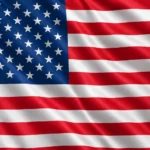
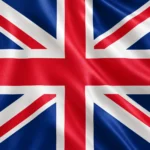
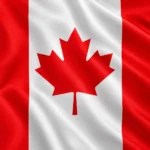
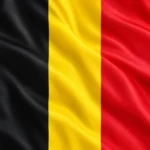
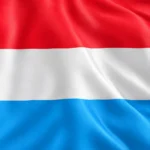
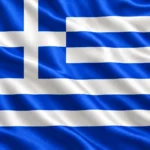
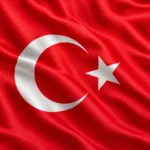
The international response to the Korean War brought together countries from different continents under the framework of the United Nations. Sixteen nations sent military forces and five others contributed medical assistance, through hospitals, health personnel and care for the injured.

Decades later, South Korea also recognized the contribution of Germany, whose medical assistance began in 1954, after the armistice. Thus, historical recognition today includes 22 nations that contributed in different ways.
Combat forces
1950–1953
0
Medical assistance
During the war
0
Post-support
Germany, since 1954
0

International support in figures

The armistice of 1953 stopped the fighting, but South Korea faced enormous reconstruction challenges. International assistance continued through medical, humanitarian and recovery initiatives, while the country was beginning a long process of economic and social transformation.

Over the decades, relations with different participating nations evolved towards diplomatic, cultural, educational and economic cooperation. The memory of those who contributed during the war remains present in commemorations and recognition programmes.

South Korean allies: different ways to contribute

South Korean allies contributed in different ways during and after the conflict. His military, medical and humanitarian contributions are part of a history of international solidarity that continues to be remembered. He then knows the participation of each nation.

Nations that sent combat force

Nations that provided medical assistance during the war and post-war

Swedish flag of waving silk
Sweden
Norwegian flag of wavy satin
Norway
Indian flag in undulating silk
India
flag
Italy
German flag x
Germany

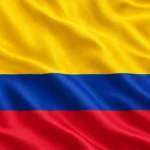
Colombia, the only Latin American country that sent combat troops

Colombia was the only Latin American country to send combat troops to the Korean War. His participation included the Colombia Battalion and National Navy naval units, which responded to the United Nations call to support South Korea.

More than 5000 Colombian soldiers and sailors participated in the conflict, leaving a legacy of service, sacrifice and international solidarity. This history has a special place in the origin of CIC HofK and in its purpose of preserving memory and strengthening the links of cooperation between Colombia, South Korea and other nations.

After the armistice: a legacy that continues

The armistice of 1953 stopped the fighting, but South Korea was facing major reconstruction challenges. International assistance continued through medical and humanitarian efforts, such as the German Red Cross hospital that started operating in Busan in 1954.

Over the decades, relations between South Korea and the participating nations acquired new diplomatic, economic and cultural dimensions. His shared history continues to be remembered through homenajes, commemorations and links of cooperation.

A story that inspires our mission

The legacy of the Korean War is part of the origin of CIC HofK. The memory of service, solidarity among nations and the links built around this history inspire our purpose to promote new opportunities for international cooperation.
EnglishenEnglishEnglish