The Korea International Community of Heroes Corporation (CIC HofK) is a Colombian non-profit organization that connects international cooperation, knowledge and capacities to promote initiatives of general interest with social and productive impact.
Our origin is linked to the legacy of the Korean War, understood not only as a memory of those who participated, but as a history of service, solidarity among nations and cooperation that can continue to generate value for new generations.
Martin Elías Pérez Garcés, veteran of the Korean War and chief founder of CIC HofK, dedicated his life to the service of Colombia and to preserving the memory of his colleagues. His vision inspired a mission that today transforms historical memory into opportunities for cooperation and development for new generations.
We organize our work on five pillars that can be integrated according to the needs of each project, territory or alliance.
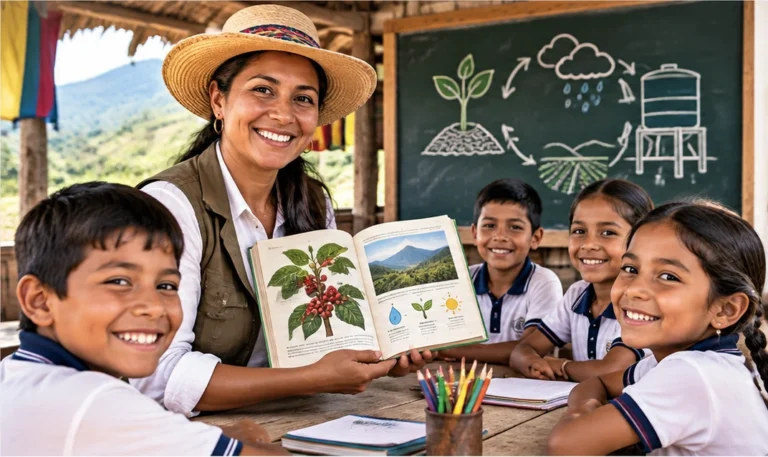
We promote sustainable rural and agro-industrial development through productive strengthening, innovation, entrepreneurship, value aggregation and market access.
We promote opportunities for learning, training, academic exchange and capacity-building.
We develop and articulate education, prevention, well-being and access initiatives, together with qualified actors when the activity requires it.
We promote the preservation of historical memory, cultural exchange and educational and tourist experiences that strengthen the links between communities and nations.
We encourage research, digital transformation, knowledge transfer and the application of technological solutions to social and productive needs.

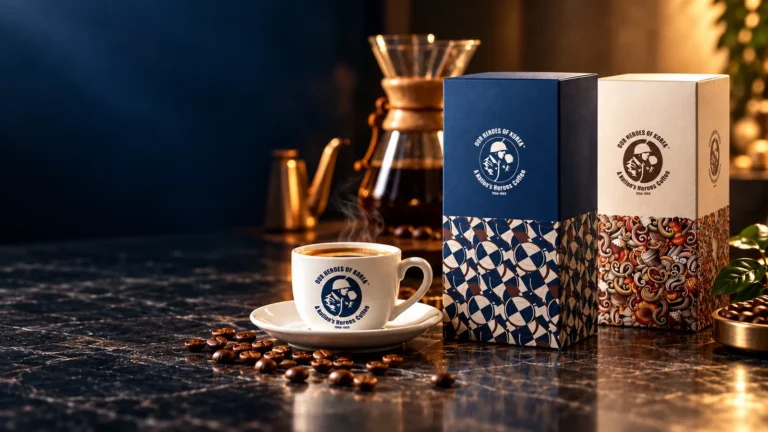
Our first productive initiative uses Colombian coffee as a vehicle to preserve historical memory, build relationships and generate economic opportunities. As an activity generating own income, it seeks to contribute to the sustainability of CIC HofK and to the development of its institutional mission.
Our coffee is in the process of pre-empting and commercial development.
The Korean War is part of our origin, but the legacy we seek to preserve is broader: service, commitment, cooperation among countries, memory and the ability to turn a historical experience into new opportunities for understanding and development.
Our governance model promotes clear sharing of responsibilities, traceability of decisions, responsible management of resources, prevention of conflicts of interest and accountability. These principles guide our activities, projects and partnerships.