Free CIC Coffee White

How to save your coffee: 5 errors that ruin the aroma

Light, air, heat, humidity and time: avoid these 5 errors and keep the aroma as the first day

Coffee is vulnerable to oxygen, light, heat and moisture, so the first step is to close the packaging well after each use or to move it to a watertight container. An opaque or low-light container helps to preserve the aromatic compounds that give the cup character.

The location also counts. A bottle on the counter, near the stove or where the sun hits it accelerates the loss of aroma; you better choose a fresh and dry place, away from heat sources and sudden temperature changes, to keep the sensory profile longer.

The refrigerator and the freezer require criteria. Open a cold container generates condensation and the coffee easily absorbs odors; therefore it is only necessary to freeze when you have a lot and you will not open it at all. In that case, divide into small portions, double seal, freeze and let tempered each package before opening it to avoid moisture on the grain or ground.

Milling only what you're going to prepare at the moment is one of the best investments in freshness. If you buy ground, get reasonable amounts and get it soon; in a typical home, the most tasty is between two and six weeks since you open the package. Keeping it away from foods with intense odour prevents unwanted contamination. If you want recommendations for nice and effective bottles and storage solutions for your space, tell us about your consumption and we suggest the ideal set.


More posts

decaf hofk

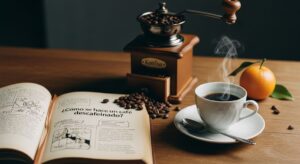
How do you make a decaf coffee?

Decaffeinated coffee does not lose its essence: it simply goes through a process that eliminates caffeine without erasing its taste. Here we explain how it is achieved and why it remains a good cup.

The coffee you like the most

Recipes and preparations outside this world

What you wanted to know about coffee

And you didn't dare ask.

Can a coffee mix be of specialty? The answer that surprises many

Although it is believed that only home cafes can be of specialty, blends can also reach this category. In this article we clarify when a mixture can be considered as a specialty, how its quality is assessed and what the difference in traditional commercial mixtures is.

What's the specialty coffee? Key guide to identifying real quality

The specialty coffee is synonymous with higher quality, care processes and an exceptional sensory experience. In this guide you will discover what makes a coffee "special," how it is qualified under international standards and why it is transforming the way millions of consumers value their daily cup.

What is home coffee? Complete guide to understand its value and taste

The original coffee has become a tendency among lovers of good coffee. In this guide you will discover what "home coffee" really means, why it offers greater traceability and how its territory directly influences the taste of the cup. Ideal for those who seek quality, identity and authenticity in each sip.

EnglishenEnglishEnglish