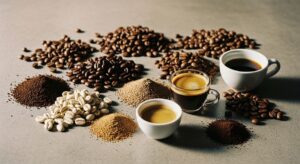
The specialty coffee is defined as the one that reaches 80 points or more on the scale of the Specialty Coffee Association (SCA), after being evaluated by a certified taster (Q Grader). This score reflects attributes such as fragrance, sweetness, acidity, body, balance and almost total absence of defects. In other words, it is a coffee that stands out not only for its taste, but for the level of excellence in each part of the chain.
The road to a specialty coffee begins on the farm. To achieve this quality, production requires selective collection, careful management of the crop, strict control of processes and benefits that preserve the integrity of the grain. Each variable matters: from variety and microclimate to drying and storage. This detailed work allows the grain to preserve pure, complex and consistent sensory qualities.
A fundamental thing about specialty coffee is its transparency. The lots usually include clear information on origin, altitude, process, farm and producer. This traceability allows us to understand why a coffee knows how it knows, and at the same time recognizes the agricultural work behind each cup. For toasters and consumers, this information is key to making more conscious decisions and to just assessing the efforts of the production chain.
Finally, the rise of specialty coffee has also boosted a more exploratory culture. Floral, fruity, achocolated or spicy profiles become protagonists and allow you to enjoy a range of flavors that used to pass unnoticed. In short, a specialty coffee is a carefully built experience: from the field to the cup, each step seeks to highlight quality, complexity and authenticity.
Generated by IA and cured by CIC HofK Coffee