Wine speaks of the vineyard; coffee, of the mountain, the breeze, and the hands that harvest it. When we treat them with the same respect, they cease to be "just another drink" and become an experience.
Start with your nose. Before the first sip, bring the cup to your lips and breathe. Let simple clues emerge: flowers, fruit, honey, cocoa, nuts. You don't need to name everything; simply recognize what reminds you of something you already know. Then take a short sip and think about three easy things: whether there's that pleasant spark that awakens your mouth, whether you taste a natural sweetness, and how the flavor lingers at the end. That's tasting.
Clean equipment, water without strange tastes, and a calm demeanor do more for your cup than any complicated trick. Pour into a warm mug and take your time, as if it were the first drink of the evening. If one day the cup feels rougher than expected, don't worry: next time pour it a little more gently or with a more patient pouring rhythm. If it's a bit weak, make it a little more concentrated. There's no magic formula; there's practice and curiosity.
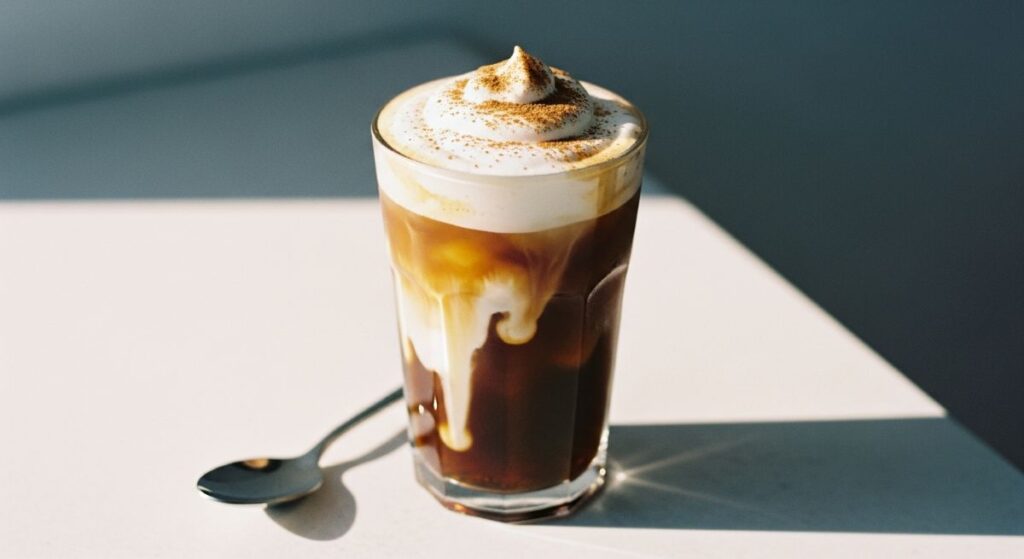
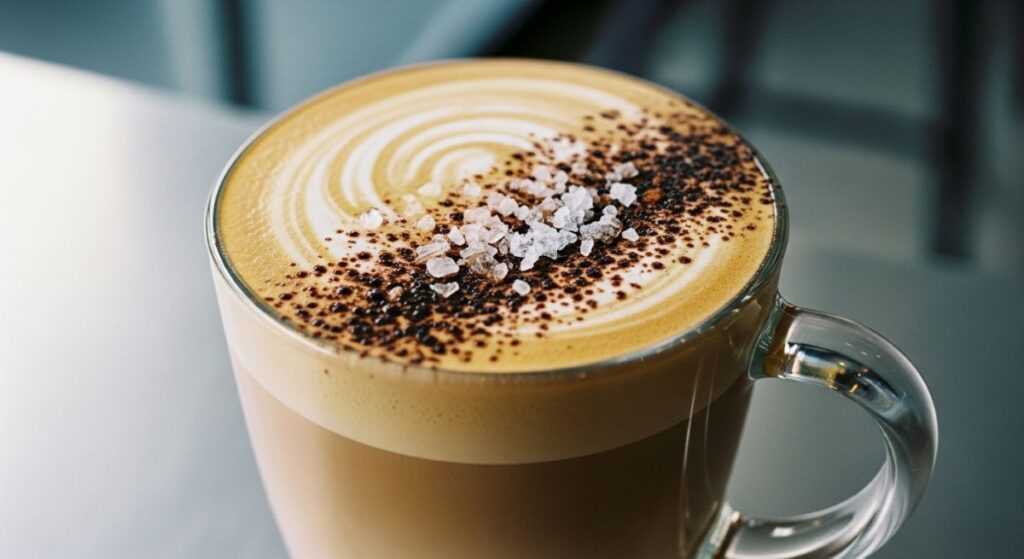
Sugar, yes or no? Just like with a good wine, try it neat first. That way you hear its true character. If you like a touch of sweetness, add sugar later, gently. It's not a sin; it's a style. Just remember: the more you sweeten it, the less you'll hear what its origins are trying to tell you.
Pairing also makes a difference. A coffee with citrus notes shines with a simple cookie or fresh cheese. A sweeter one, with hints of cocoa and nuts, becomes memorable with a piece of chocolate or a sweet roll. The rule is simple: intensity with intensity. Don't overwhelm a delicate coffee with heavy desserts.
Above all, remember this: coffee is as special as wine because both are liquid memories. Each cup and each glass carries landscape, climate, and culture. When we serve them with care, without haste, and with attention, we understand that they aren't just for "waking up" or "making a toast": they are for listening to what their origin has to say.
The next time you make coffee, step off autopilot. Smell it, taste it, decide if you want a touch of sugar, and see what it reminds you of. If you repeat this little ritual tomorrow, you'll find that your cup, like a good bottle, has a lot to say.
Generated by AI and curated by CIC HofK Coffee